
Years can disappear when you jump between tutorials, collect certificates, and run tools you don’t understand. A faster Cyber security career starts with understanding systems, practicing on authorized targets, and explaining their business impact.
The goal isn’t to look impressive to other beginners. It’s to produce work that a security team, client, or hiring manager can trust.
Key Takeaways
- Ethical hacking is built on understanding systems, validating weaknesses only with permission, and explaining technical findings in terms of business risk.
- Start with practical work: inspect authorized web traffic, build small Python or Bash tools, complete beginner labs, and document what you learn.
- Follow a weekly loop of building, defensive analysis, and authorized challenges to develop both offensive and incident response skills.
- Use the first 12 months to build a portfolio, choose a specialization, gain client or bug bounty experience responsibly, and pursue one suitable certification.
- Professional opportunities depend on clear communication, reliable evidence, written authorization, defined scope, and reports that clients and security teams can trust.
Learn the Work, Not a Recipe
Many tutorials begin with Kali Linux, a tool command, and steps to copy. That can introduce useful software, but Information security work requires judgment, not memorized commands. You need to know what a request does, why a service responds, and what evidence supports a finding.
The difference shows up in the final report. A checklist records isolated tasks, while Penetration testing and Red teaming connect technical findings to business consequences. A beginner might list 20 separate issues. A professional might show how three related weaknesses could expose a customer database and create serious financial and legal risk, such as a hypothetical $15 million in fines.
Strong security work connects technical findings to a credible business consequence.
Three skills matter most:
- Understand Networking fundamentals, including how websites, operating systems, and authentication work. This knowledge helps you recognize and assess Network security controls.
- Use Vulnerability scanning as a starting point, then find and validate weaknesses in labs or systems where you have permission. References such as the OWASP Top 10 can help you recognize common web weaknesses.
- Write clear reports that explain the issue, evidence, impact, and fix.
You don’t need 47 tools, five certifications, every protocol memorized, or a $10,000 course before you begin. Build practical knowledge first. Credentials make more sense once you can show the work behind them.
Make Your First Week Count
Observe how a website communicates
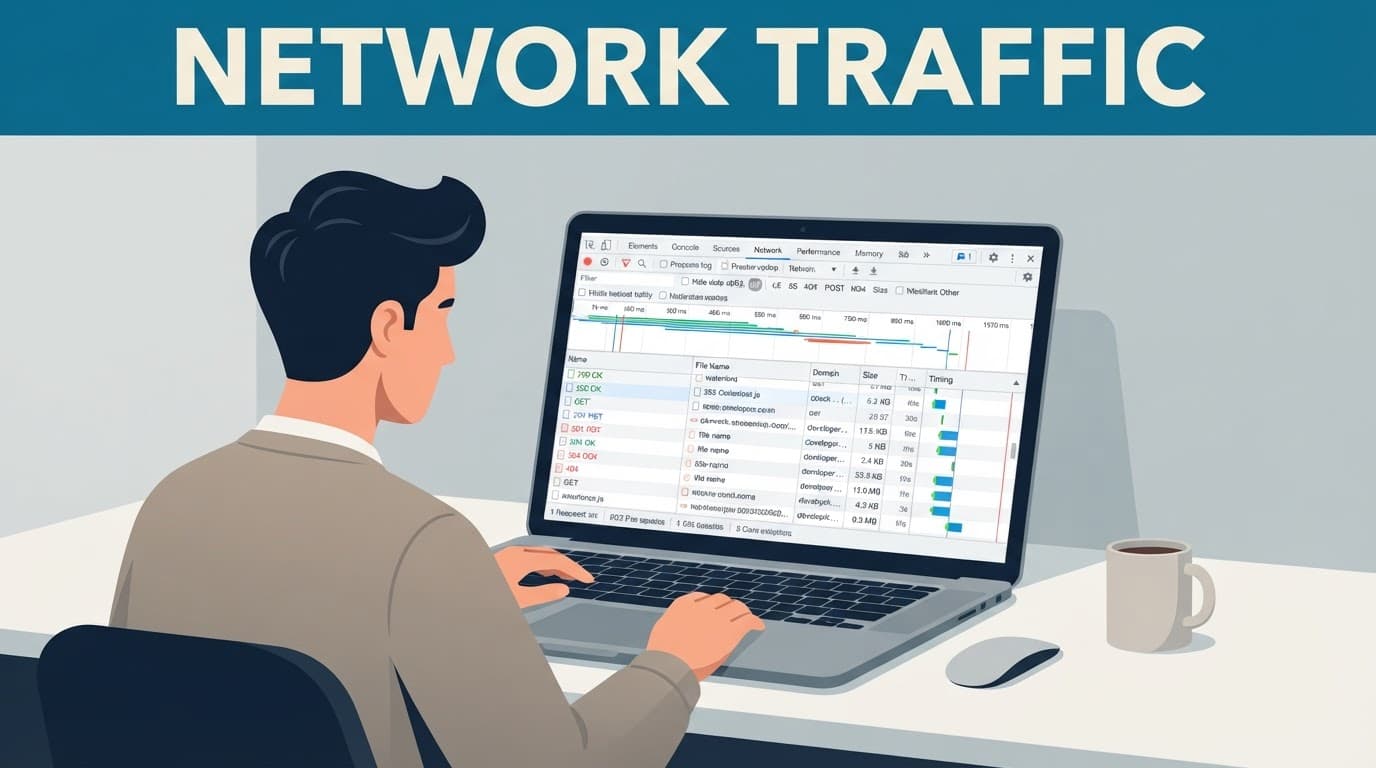
On day one, open a website you regularly use, provided you own it or have permission to test it. Press F12, select the browser’s Network tab, then refresh the page. Pick a single request and examine its URL, the data sent by the browser, and the response returned by the server.
This Web application testing exercise focuses on observation, not exploitation. Repeat it on three different websites you own or are authorized to test. In an authorized lab, compare the browser view with Wireshark for a broader look at traffic. Later, Burp Suite can help you inspect and replay permitted web requests.
Build a small tool, then solve a challenge
During days two and three, make your first Python for cybersecurity project by writing a basic Python port scanner. A simple version can take roughly 15 lines of code and builds familiarity with Scripting languages. It also shows how software checks whether a port is open, making Nmap less mysterious.
Only scan systems you own or have explicit permission to test.
For days four through seven, complete the beginner path on TryHackMe and aim for at least two rooms. Choose a beginner room that demonstrates one issue from the OWASP Top 10, such as SQL injection. Spend 30 minutes working through a problem before checking a hint. Copying a solution may finish the room, but working through failed attempts teaches you why a method did not apply.
Keep notes on requests you inspected, code you wrote, commands you tested, and lessons from each room. That record becomes the start of a portfolio.
Follow a Weekly Loop of Building, Defense, and Challenges
Use Monday and Tuesday to build one small project in Python or Bash scripting. Perfection isn’t the goal. Each tool should explain one technical idea in code, not become a large software build.
| Week | Project | Main skill |
|---|---|---|
| 1 | Port scanner | Checking network ports |
| 2 | Subdomain finder | Discovering web assets |
| 3 | Web scraper | Collecting web data |
| 4 | Password strength checker | Evaluating password quality |
On Wednesday and Thursday, set up a home lab with VirtualBox, Kali Linux, and Metasploitable. Study the Metasploit framework only inside your authorized lab. Use the vulnerable machine only inside that lab. For a Windows-focused extension, add an isolated Active Directory lab only with explicit authorization.
That defensive view matters. A capable tester understands what an alert, log entry, or suspicious connection may reveal to a security team. Reviewing those records builds basic Incident response practice, while Red teaming teaches detection and coordination rather than unrestricted attacks.
Reserve Friday through Sunday for one full Hack The Box or TryHackMe challenge. If it takes the whole weekend, keep working. Then turn the solution into a writeup that records the starting point, what failed, what evidence you found, and the lesson you would apply next time.
Build Toward Paid Ethical Hacking Work
This 12-month Cyber security path assumes 15 to 20 hours a week of active practice. Watching videos doesn’t count unless you also build, test, document, and solve problems.
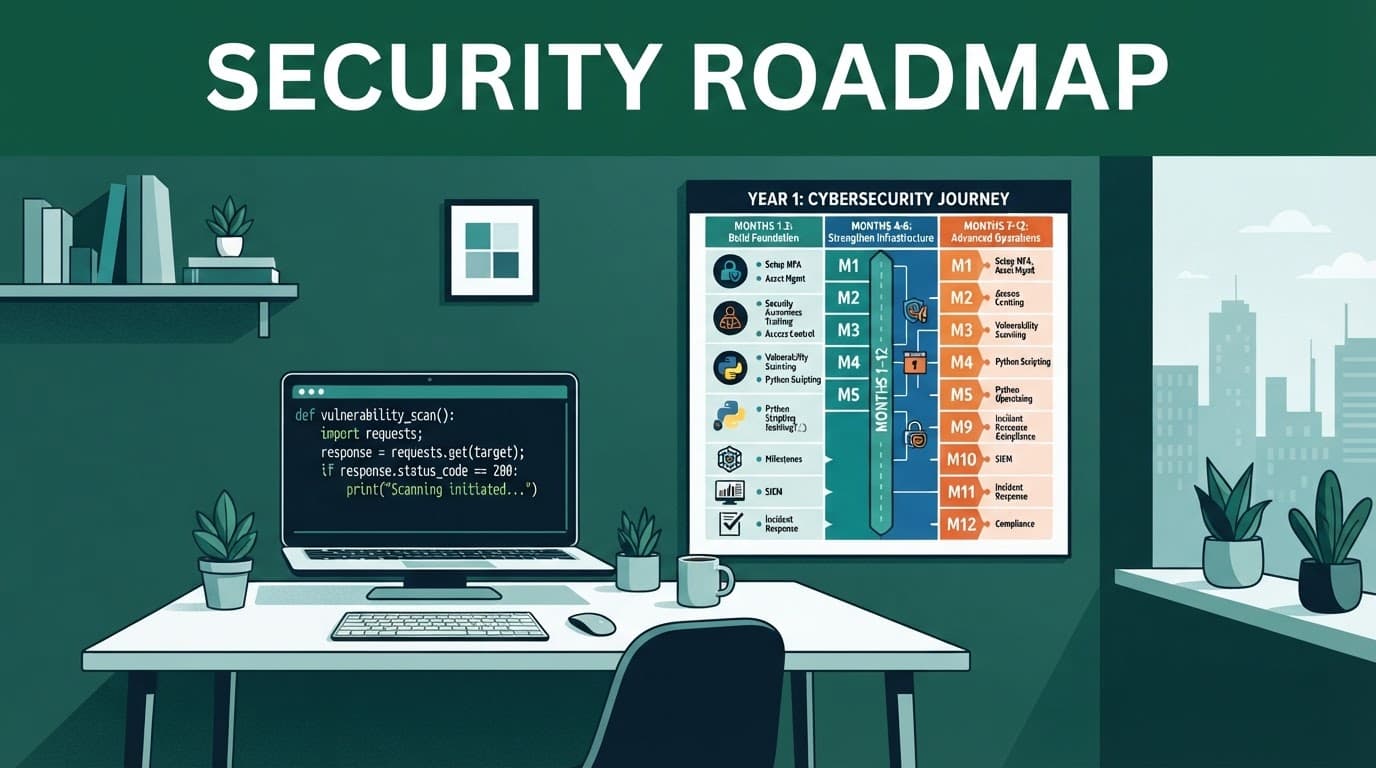
Months one through three focus on the foundation: set up the lab, finish beginner challenges, build three to five simple tools, publish writeups, and join security communities. By month three, you should be comfortable working in Kali Linux and explaining basic attack paths.
Months four through six are for specialization. Choose one focus, such as web testing, penetration testing, Red teaming, or cloud security, rather than chasing every specialty. Complete two challenges each week, build more advanced tools, and join authorized bug bounty programs. Duplicate reports are common, so treat them as feedback rather than failure.
Bug bounties require strict attention to each program’s scope and rules. Research resources such as Verified Tor Onion Links can support education, but a directory never gives permission to test a site or access private data.
Months seven through nine can add client experience. The proposed path includes offering free assessments to local businesses, setting up freelance profiles, and converting some projects into paid work. Estimates of $1,500 to $3,000 per project and $5,000 to $15,000 in side income by month nine are goals, not guarantees.
During months 10 through 12, choose one first certification, such as eJPT, PNPT, CompTIA Security+, or Certified Ethical Hacker. OSCP is a more demanding milestone, so you don’t need every credential. Apply for junior security roles and build a public record of responsible work. Companies that hire professional hackers look for clear communication and reliable evidence, not flashy tool output.
Use Structured Resources and Set Clear Client Boundaries
A structured course can help break the cycle of random tutorials, but it won’t guarantee job readiness. The Zero to Mastery Ethical Hacker course offers project-based security training, while its cybersecurity career path quiz helps learners compare ethical hacking and related roles. Zero to Mastery also describes a large Discord community where students can ask instructors and teaching assistants for help.
The Hacker Academy promotes a 70-plus-page starter cheat-sheet kit, live Q&A sessions, hands-on labs, and peer support. When evaluating resources, look beyond tool lists and community size. Troubleshooting labs, documenting your work, and learning to explain findings matter more than having access to more materials.
Organizations seeking ethical hackers for hire should expect written authorization, a defined scope, secure handling of evidence, and a report tied to business risk. A professional hacker for hire earns trust through that discipline. Legitimate hacking services don’t promise covert access to accounts, phones, or systems without consent.
Frequently Asked Questions
Do I need certifications before starting an ethical hacking career?
No. Practical knowledge, authorized lab experience, and clear writeups are more important at the beginning than collecting credentials. Consider a certification after you can demonstrate the work behind it.
How should a beginner practice ethical hacking safely?
Use systems you own, isolated labs such as VirtualBox with intentionally vulnerable machines, and platforms such as TryHackMe or Hack The Box. Never scan or test a website, device, or account without explicit permission and a clearly defined scope.
Which skills should I learn first?
Begin with networking, web and operating system fundamentals, authentication, basic scripting, and vulnerability validation. Report writing is equally important because security teams need to understand the evidence, impact, and recommended fix.
Is bug bounty hunting a reliable way to earn money?
Bug bounties can provide useful experience, but income is not guaranteed and duplicate reports are common. Follow each program’s rules and scope exactly, and treat unsuccessful submissions as feedback that improves your testing and reporting.
Which certification should I choose first?
Options such as eJPT, PNPT, CompTIA Security+, or Certified Ethical Hacker can fit different goals and experience levels. OSCP is a more demanding milestone, so choose one certification that supports your chosen specialization instead of pursuing every credential.
Start With Work You Can Show
Progress comes from inspecting one request, writing one small tool, and completing one authorized challenge at a time. People who hire professional hackers want proof that you can think clearly when an approach fails and explain what you found when it succeeds.
“In the next 24 hours, I will…” is useful when it ends with a specific action, such as setting up a lab or completing your first room. Build that habit now, and let your notes and publishable writeups show how far you’ve come.